What Is Possible With a Photo-Based Silicone Replica?
Yes. Photographs can provide enough visual information to create a recognizable silicone replica of a person, especially when the reference set shows the face from several useful angles. The goal is not to create a generic figure that simply has similar hair or clothing, but to identify and reproduce the combination of features that makes a particular person
recognizable
For someone considering a memorial or personal replica, this may include facial proportions, hairstyle, skin tone, age-related details, body shape, clothing, and other familiar characteristics. A lifelike custom silicone replica of a person is therefore built around documented visual references, with the final result depending on how clearly those references show the person’s recognizable features.
What Can Be Recreated From Photos?
Clear photographs can provide references for face shape, eye spacing, nose shape, lip contour, jawline, hairstyle, hairline, skin tone, wrinkles, freckles, moles, and other visible characteristics. Full-body photographs can also help establish general height, posture, body proportions, and overall silhouette.
Small details can be especially important in a memorial project. A familiar pair of glasses, gray hair, smile lines, a particular hairstyle, or clothing repeatedly seen in family photographs may contribute strongly to recognition.
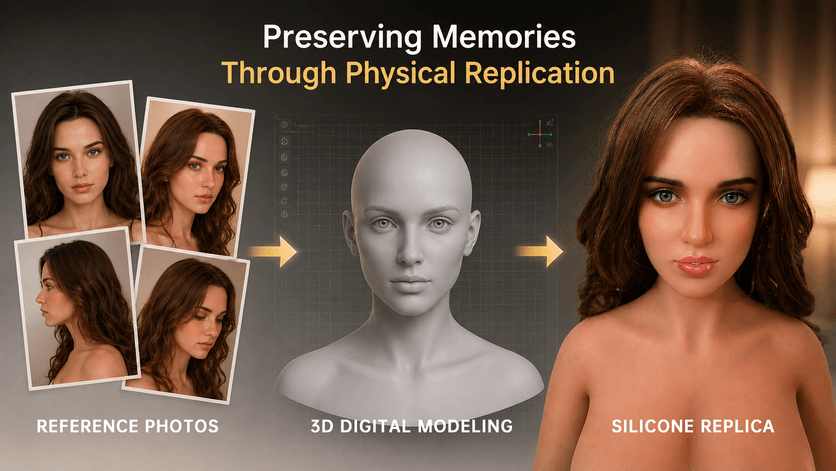
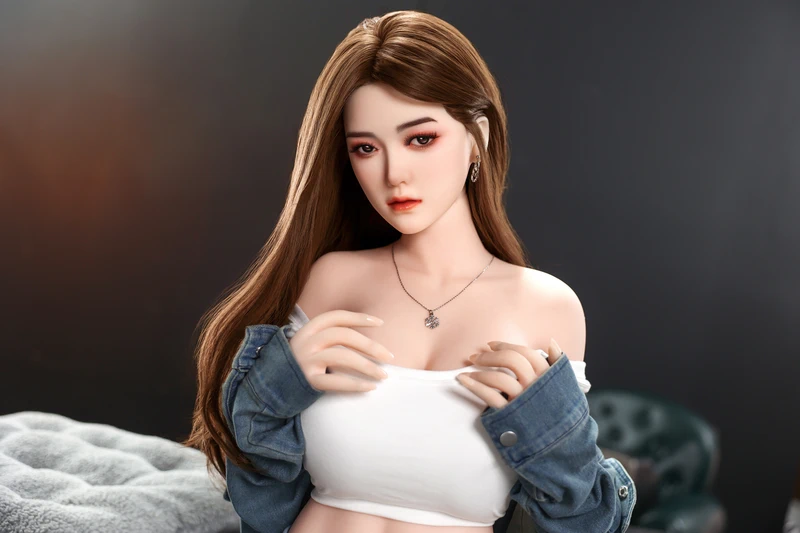
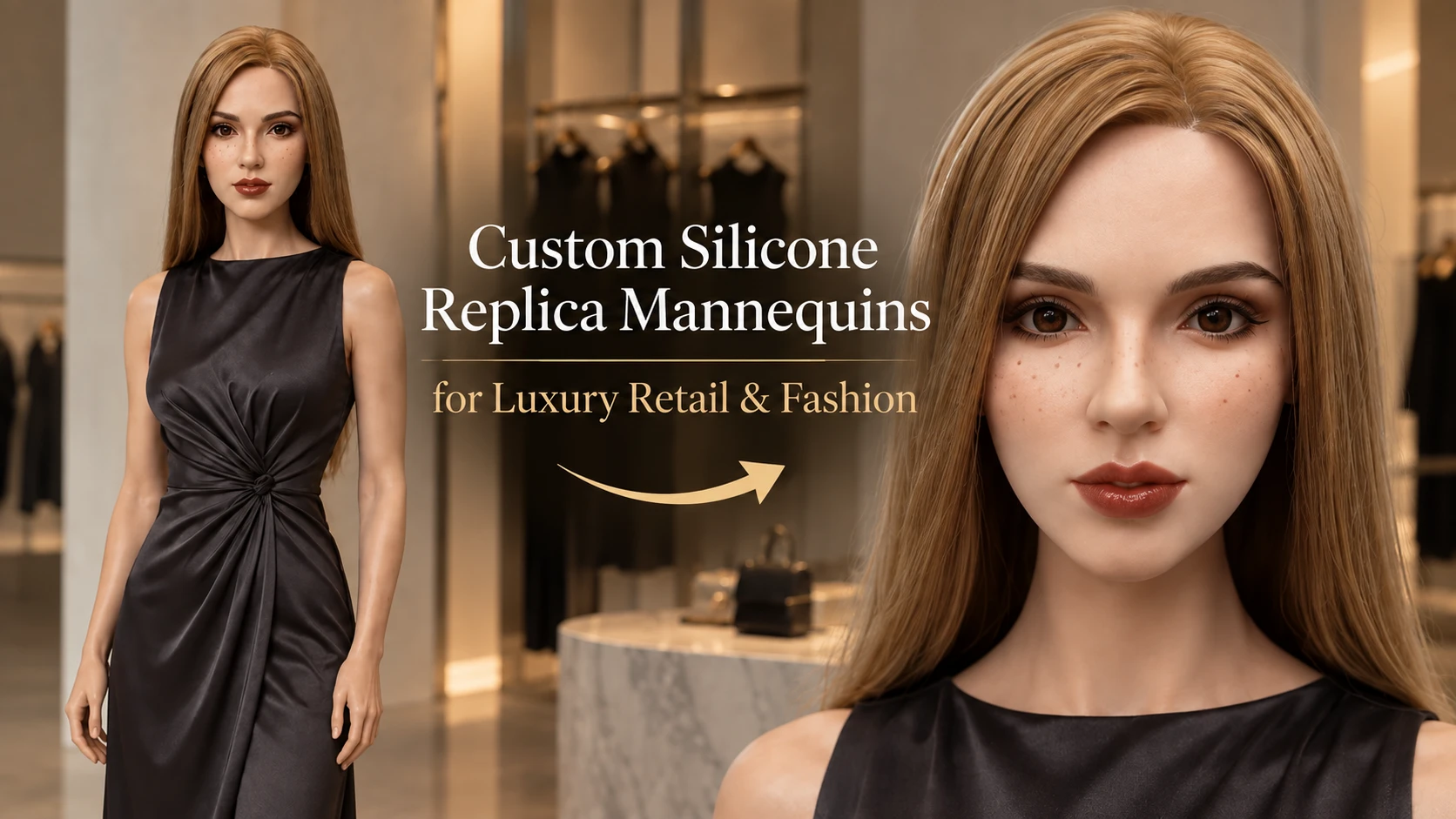
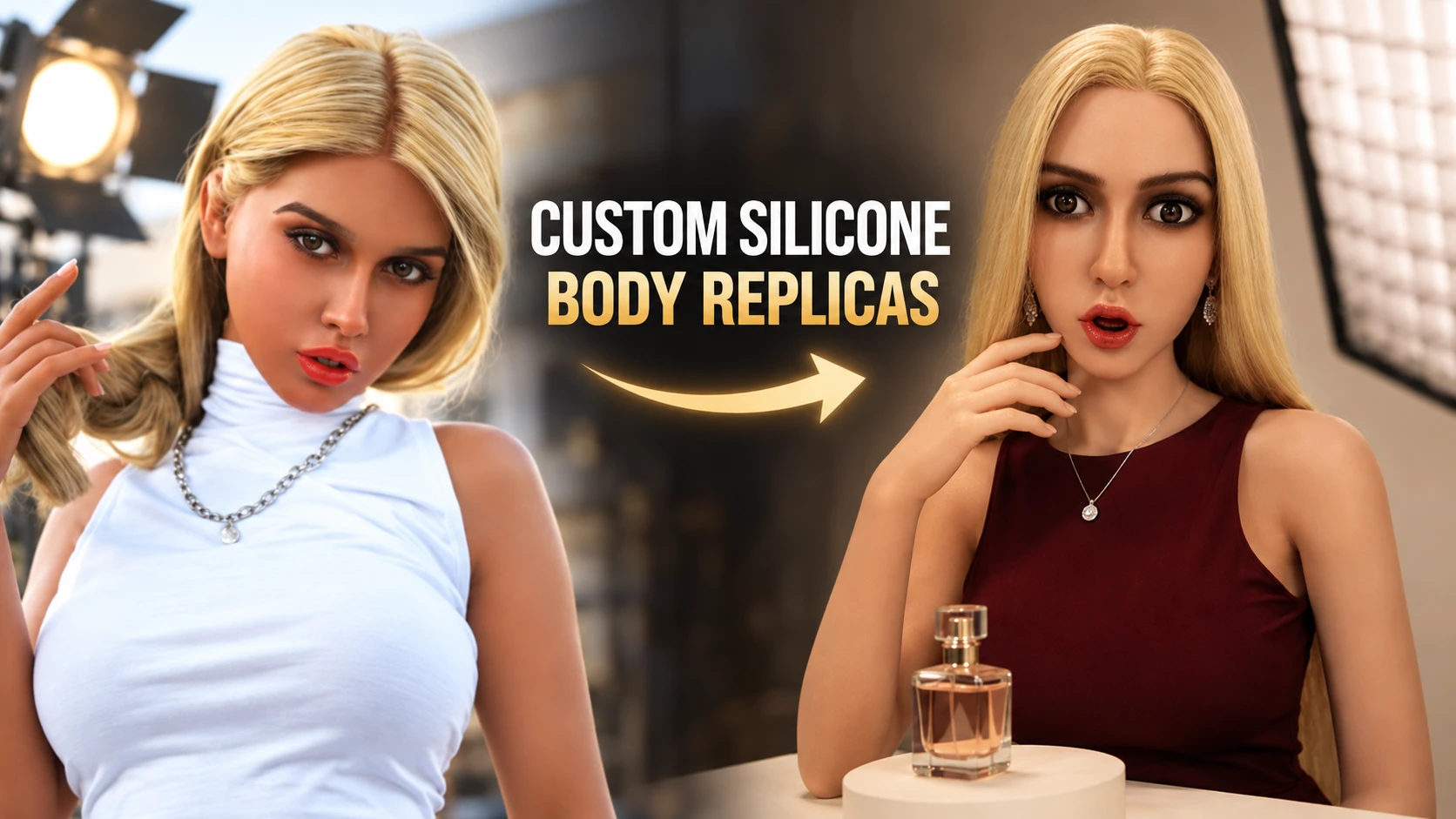
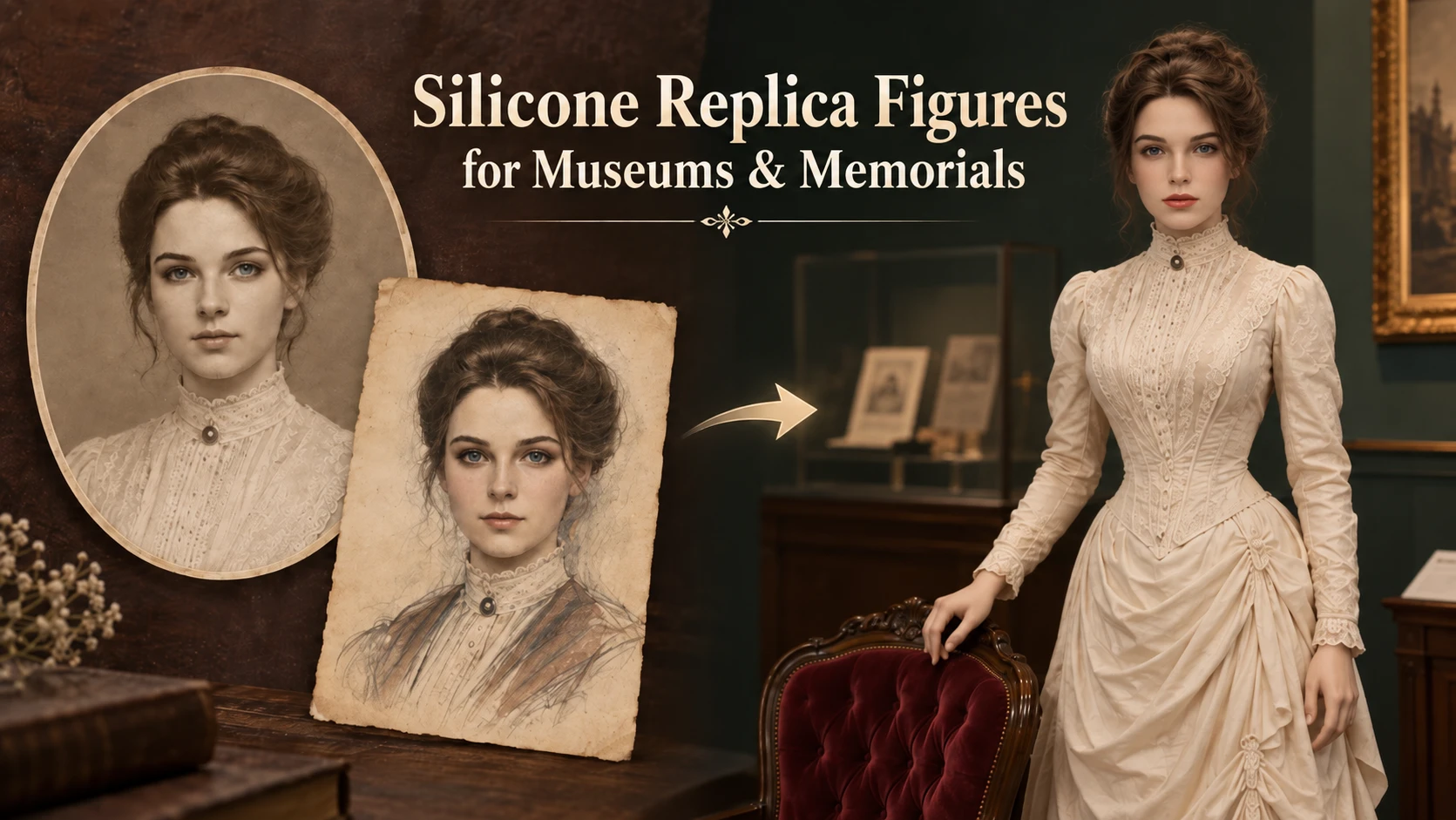
Turning your precious photos into a highly realistic 3D silicone clone doll.
What Photos Cannot Tell Us
A photograph can only document what the camera captured. If every available image shows the person from the front, details such as nose projection, ear shape, jaw depth, and the back of the head may not be clearly documented.
The same limitation applies to full-body recreation. Clothing may hide exact body proportions, and photographs cannot reveal scars, birthmarks, or other features that were never visible.
This does not necessarily mean the project cannot proceed. It means that clearly documented features can be reproduced with greater confidence, while missing areas may require interpretation during 3D modeling.
This distinction becomes especially important when trying to recreate a person in silicone 1:1. More photographs are useful when they reveal new angles and details—not simply when there are more images.
A Replica Is a Physical Likeness
A silicone replica should be understood as a crafted physical likeness of someone’s appearance. It can preserve visible characteristics and familiar details, but it cannot reproduce the person’s memories, personality, emotions, consciousness, or identity.
For a memorial project, the objective is therefore not to replace the person. It is to create a respectful three-dimensional representation based on the visual information that remains.
For customers considering a complete head-and-body recreation, a full-body silicone replica from photos can provide a more direct example of how facial and body references are combined within one custom project.
What Photos and Information Do You Need?
A convincing memorial replica begins with the references you can provide. The goal is not to collect as many photographs as possible, but to gather images and details that clearly show the person’s face, proportions, hairstyle, and other recognizable features. For a family trying to recreate someone from older photographs, a small set of useful references is often more valuable than dozens of similar images.
The Best Photos to Provide
Whenever possible, prepare a clear front-facing photo, left and right three-quarter views, side profiles, and at least one image that shows the hairline and hairstyle. A natural facial expression is usually more useful than a heavily posed or filtered portrait. For a full-body replica, add standing photographs that show overall height, shoulder width, body shape, and posture.
Neutral lighting is helpful because strong shadows, beauty filters, wide-angle distortion, or heavy retouching can change how facial proportions appear. If several photos show the person at different ages, identify which period or appearance you want the finished replica to represent.
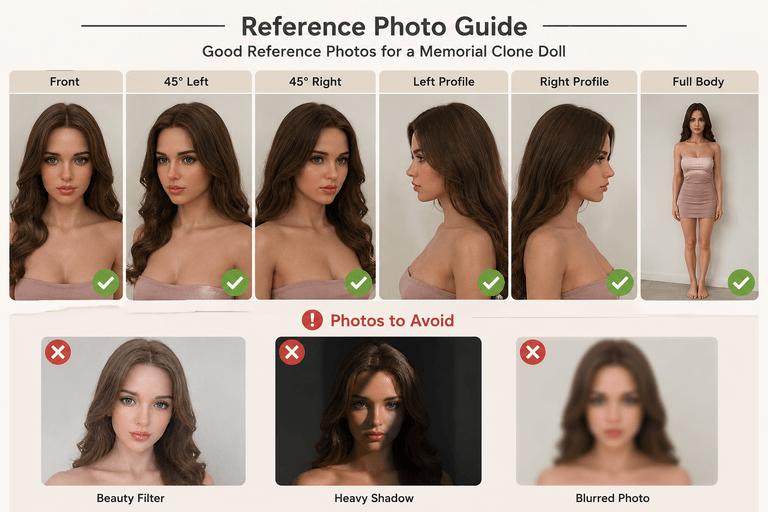
Essential photos needed: Clear front, 45-degree angles, profiles, and full-body shots.
Can Old Family Photos Be Used?
Yes. Older family photographs can still be valuable, especially when they are the best surviving records of someone’s appearance. Black-and-white prints, faded photos, or small photographs may still reveal facial shape, hairstyle, clothing, and distinctive features.
The main limitation is missing information. A damaged photograph cannot reliably show details that have faded away, and a single front view cannot reveal the side profile. When possible, scan old photographs at good quality rather than sending compressed screenshots. If the original prints are fragile or valuable, follow appropriate photo-handling and digitization practices before creating digital reference files. Keep the original image unchanged and provide restored or enhanced versions only as additional references, so the production team can distinguish documented details from digital reconstruction.
This is particularly important when someone wants a hyper-realistic companion doll from photo or a memorial replica based on photographs that may be decades old. The manufacturer should be able to explain which features are clearly supported by the references and which areas still require interpretation.
What If You Only Have One Photo?
One clear photograph may be enough for an initial evaluation, but it usually cannot document every angle of a face or body. A front photo can show eye spacing, nose width, mouth shape, and facial width, but it gives less information about facial depth, nose projection, ears, chin profile, or the back of the head.
If only one image survives, other references can help reduce uncertainty. These may include photographs from a different age, pictures with family members that provide a sense of scale, written descriptions, or known information about height, hairstyle, clothing, and distinctive features.
The important point is to separate what is visible from what must be estimated. A manufacturer should not present an undocumented feature as though it came directly from the original photograph.
Other Useful Information
For a custom life-size memorial mannequin or full-body silicone replica, basic physical information can be just as useful as photographs. Approximate height, body type, shoulder width, and other known measurements can help establish scale.
When additional choices are needed for body proportions, skin tone, hair, eyes, or other appearance details, XYlover's custom sex doll options can help show the types of appearance customization available. For a memorial replica, however, these choices should be guided by the appearance of the specific person rather than general aesthetic preferences.
Personal reference details can also improve recognition. Useful examples include glasses, jewelry, favorite clothing, tattoos, birthmarks, scars, hairstyle, or other features strongly associated with the person. Not every detail needs to be reproduced; the priority should be the characteristics that carry the strongest visual and personal meaning.
How Close Can the Replica Look to the Real Person?
For many people considering a memorial replica, this is the most important question: Will the finished figure actually look like the person I remember?
A strong resemblance is possible when the available references clearly document the person’s facial structure and distinctive features. However, similarity does not depend on one detail alone. It is the combined result of useful photographs, accurate 3D modeling, mold production, silicone finishing, hair, eyes, skin coloration, and other recognizable characteristics.
For someone hoping to recreate a person in silicone 1:1, the most realistic expectation is a carefully reconstructed physical likeness based on the information that can actually be seen and verified.
What Determines the Final Similarity?
Reference quality comes first. Clear front, profile, and three-quarter photographs give the modeling team more information about facial width, depth, nose projection, jaw shape, eye position, and overall proportions.
The 3D model is equally important because this is where those two-dimensional references are converted into a three-dimensional face. Differences in eye spacing, nose shape, chin position, or facial width are easier to identify and adjust before mold production begins.
After the physical form is produced, finishing work adds another layer of recognition. Skin tone, wrinkles, freckles, eyebrows, eyes, hairline, hairstyle, and other visible details can strongly influence how familiar the finished replica feels.
Which Features Matter Most for Recognition?
People do not usually recognize someone by measuring a single facial feature. Recognition comes from a combination of characteristics.
The face may have the correct general proportions, yet still feel unfamiliar if the hairstyle, eyebrow shape, hairline, glasses, or age-related details are noticeably different. In a memorial project, familiar features such as smile lines, gray hair, freckles, or a particular pair of glasses may be as important as achieving a technically accurate nose or jawline.
This is why the objective should not be to make the person look more polished or idealized. The details that made the individual recognizable in everyday life often matter most.
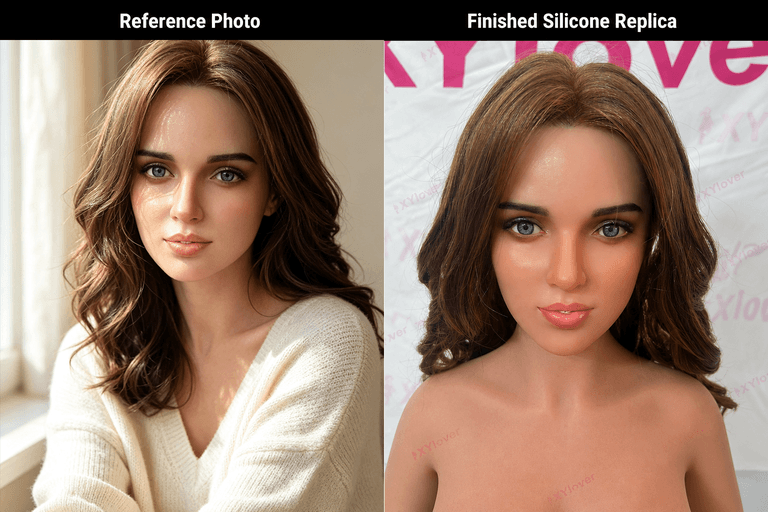
Exceptional similarity in facial likeness, hair color, and expression.
Why More Photos Do Not Always Mean Better Results
Ten nearly identical front-facing photographs may provide less useful information than four clear images showing the front, profile, three-quarter view, and full body.
What matters is whether each additional image reveals something new. Photos from different useful angles can help confirm facial depth, asymmetry, hairstyle, body proportions, and other features that one photograph cannot show.
What Is a Realistic Expectation?
A silicone replica should not be described as a mathematically perfect duplicate. Photographs may contain perspective distortion, shadows, filters, different expressions, age differences, and missing angles.
A realistic goal is therefore to reproduce the person’s documented appearance as faithfully as the available references allow. Clearly photographed features can be modeled with greater confidence, while missing or uncertain areas should be identified before production rather than presented as exact reconstructions.
For readers who want to understand how those accuracy decisions are made during production, our guide to making a clone doll from photos explains the full process from reference images and 3D modeling to the finished silicone figure.
How Is a Silicone Replica Made From Photos?
Turning photographs into a physical silicone replica requires several connected stages. Each stage uses the reference material in a different way: photographs guide the digital model, the approved 3D form determines the mold, and the finished silicone figure is refined with skin color, hair, eyes, and other personal details.
For a memorial project, the most important principle is consistency. The same reference set should guide the project from the first 3D model through the final comparison so that important features are not gradually replaced by generic design choices.
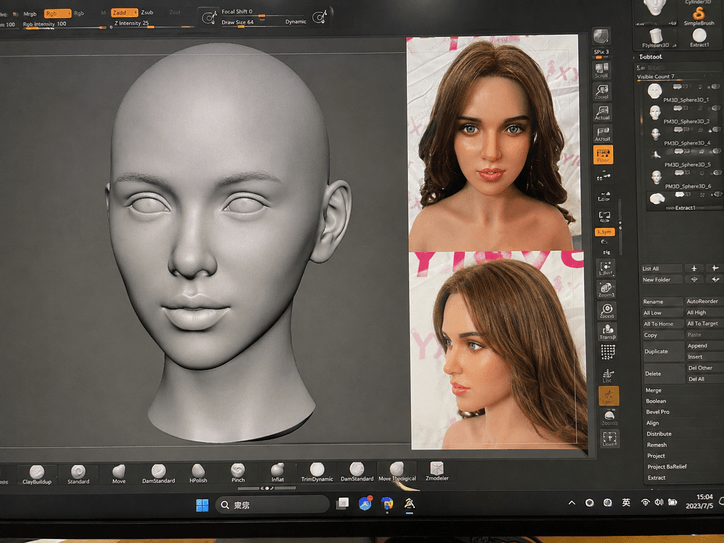
Digital 3D facial modeling matching client photo features.
Step 1 — Reference Analysis and 3D Modeling
The process begins by reviewing the available photographs and identifying facial characteristics that appear consistently across different images. Front, profile, and three-quarter views help establish facial width, depth, nose projection, jaw shape, eye spacing, and other proportions.
A 3D artist then builds a digital model based on those references. Major proportions are established first, while smaller details can be refined later. If certain areas are not visible in any photograph, they should be treated as uncertain rather than assumed to be exact.
Step 2 — Review and Adjust the 3D Model
Before mold production begins, the digital model should be reviewed against the original photographs. This is the best stage to identify obvious differences in facial width, eye position, nose shape, chin position, or other structural features.
For someone trying to recreate a person in silicone 1:1, this review is especially important because structural corrections are easier to make before the project moves into physical production.
The goal is not to invent missing details. It is to make the documented features as consistent with the reference images as possible.
Step 3 — Mold Production
Once the 3D form is confirmed, the project moves into mold production. The mold determines the external shape that will later be reproduced in silicone, so proportion control at this stage is important.
Structural errors cannot simply be corrected later with makeup, hair, or clothing. This is why the digital review should be completed before the mold is finalized.
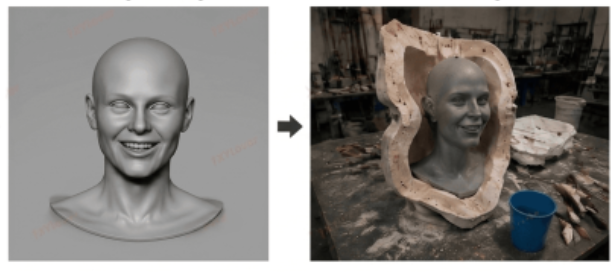
Professional head molding stage in our doll factory.
Step 4 — Silicone Forming and Assembly
After the mold is ready, silicone is used to form the head, body, or other required components. For a full-body replica, the production team also needs to consider body proportions, internal structure, and final assembly.
Silicone is useful for realistic human replicas because it can reproduce subtle contours and support detailed surface finishing. Readers who want to understand how silicone differs from another common doll material can see our TPE vs silicone comparison. However, material alone does not determine realism; molding quality, painting, hair, and final detailing are equally important.
Step 5 — Painting, Hair and Eyes
A newly formed silicone figure still lacks many of the details that make a person recognizable.
Skin color may require several tones rather than one flat shade. Wrinkles, freckles, moles, subtle color variation, eyebrow shape, eye color, hairline, hair density, and hairstyle can all affect the final likeness.
For a hyper-realistic companion doll from photo or memorial replica, these details should follow the reference images rather than being selected simply to make the figure appear younger or more conventionally attractive.
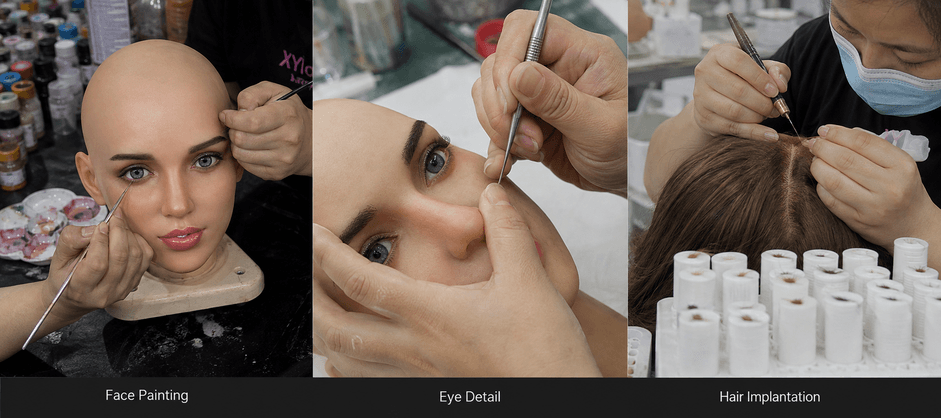
Artisan handcrafting: Multi-layer skin tone, realistic eyes, and individual hair implantation.
Step 6 — Final Comparison
Before completion, the finished figure should be compared with the original references as a whole. Facial proportions, hairstyle, skin finishing, clothing, accessories, and overall presentation should be considered together rather than judged as isolated features.
Minor finishing adjustments may still be possible at this stage, but major structural changes become much more difficult once mold production has been completed.
The final objective is therefore a carefully made physical likeness based on the available evidence—not a claim of perfect duplication where the photographs never provided enough information.
Which Personal Details Can Be Recreated?
Facial proportions are important, but they are not the only reason a replica feels recognizable. People often remember someone through a combination of smaller details: a familiar hairstyle, gray hair, glasses, a favorite jacket, wrinkles around the eyes, or an accessory that appeared in family photographs for years.
For a memorial project, these details should not be treated as decorative extras. They can be part of what makes a lifelike custom silicone replica of a person feel connected to the individual it represents.
Hair and Hairline
Hair can change the overall impression of a face very quickly. Hair color, density, hairstyle, parting, hairline, gray areas, and even a receding hairline may contribute strongly to recognition.
If the person had a distinctive hairstyle, it is useful to provide photographs from several periods or angles. Depending on the project, the finished replica may use implanted hair or a selected wig that is styled to better match the reference appearance. Customers considering this approach can also view available wig and hairstyle options as a reference for different hair colors, lengths, and styles.
Skin Features and Age Details
Wrinkles, smile lines, freckles, moles, scars, uneven pigmentation, and other visible skin characteristics can help preserve the appearance of a particular age and period of life.
A memorial replica does not necessarily become more recognizable by making the subject younger or smoother. Removing age-related features may actually reduce familiarity if those details were part of how family and friends remember the person.
Glasses, Jewelry and Accessories
Glasses can affect the appearance of the eyes, eyebrows, and overall face shape, while watches, necklaces, earrings, hats, scarves, or other accessories may carry strong personal associations.
When possible, provide separate close-up photographs of important accessories. If original belongings still exist, their dimensions and appearance can also provide useful reference information.
Clothing and Familiar Style
Clothing can immediately place someone within a familiar memory. A favorite jacket, work uniform, everyday shirt, formal outfit, or other frequently worn clothing may feel more meaningful than selecting a completely new style.
For a custom life-size memorial mannequin, clothing should therefore be chosen according to the person being remembered rather than simply according to what looks most fashionable.
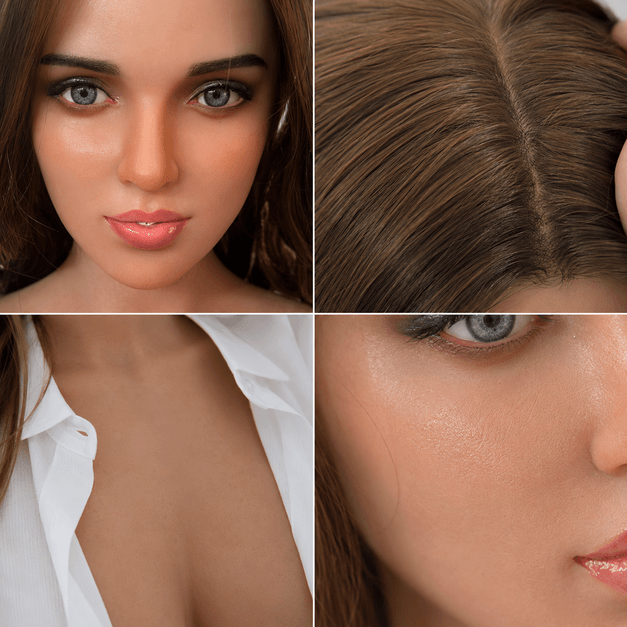
Replicating signature traits: Custom hair, glasses, clothes, and natural skin texture.
Why Familiar Imperfections Matter
For memorial replicas, “perfect” does not always mean “more accurate.” Gray hair, wrinkles, freckles, a scar, or an uneven hairline may be exactly the details that make someone instantly recognizable.
The objective is not to add as many customization features as possible. It is to identify the small number of details that carry the strongest visual and personal connection to the individual.
What Will the Finished Silicone Replica Be Like?
When people ask, “Can I get a silicone sculpture made of someone?”, they are often trying to understand what the finished object will actually look like. A completed silicone replica is a three-dimensional physical representation built from the photographs, measurements, and personal details supplied during the project.
The final appearance depends on both the accuracy of the underlying form and the finishing details applied afterward.
Facial and Skin Detail
The finished face can reproduce documented contours such as the cheeks, nose, lips, jawline, and other visible facial structures.
Silicone also supports fine surface finishing, allowing features such as wrinkles, freckles, moles, subtle skin-color variation, and other visible characteristics to be represented when they are clearly shown in the references.
Readers who want to see additional examples of the material and surface finish can also explore XYlover's silicone doll collection. A memorial replica, however, is more reference-driven because its appearance is based on a specific person rather than a standard design.
The objective should not be perfectly smooth skin. For a memorial replica, small variations and age-related details can make the finished figure feel more visually familiar.
Hair, Eyes and Expression
Hair, eyes, eyebrows, and overall facial presentation can strongly influence the final impression. Eye color, hairstyle, hairline, gray hair, eyebrow shape, and other familiar characteristics should therefore follow the reference material.
A neutral or familiar expression is generally more appropriate than creating an expression that was never clearly documented in the available photographs.
Full-Body Proportions
For a custom life-size memorial mannequin, the finished figure can extend beyond facial likeness to include overall height, body proportions, posture, and silhouette.
Photographs and known measurements can help establish scale, but information that was never documented should still be treated as an estimate. A full-body replica is most convincing when the face and body are based on the same consistent set of references.
Silicone Replica vs Photo or Portrait
A photograph or portrait preserves a two-dimensional view of someone. A silicone replica adds physical depth, scale, facial contours, hairstyle, clothing, and a three-dimensional presence.
This does not make one form of remembrance inherently better than another. They serve different purposes. Photographs preserve authentic captured moments, while a lifelike silicone replica of a person creates a physical representation that can be viewed from different angles and presented with familiar personal details.
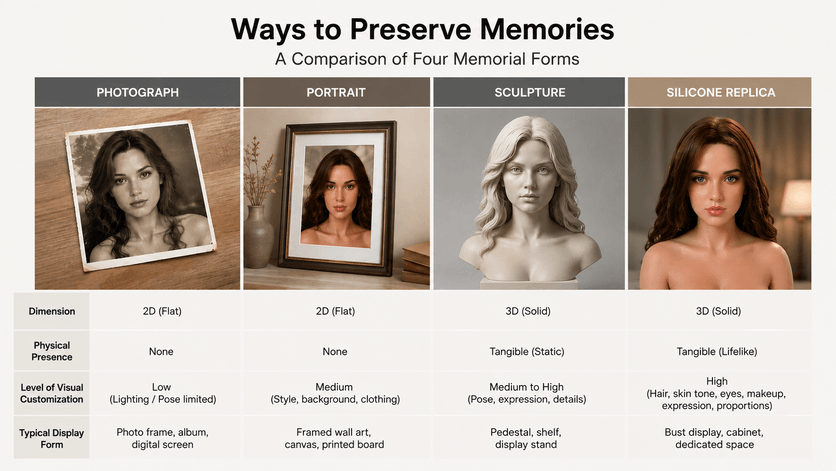
Comparing presence, touch, and realism across different memorial options.
Will Your Photos Stay Private?
A memorial replica may require photographs that were never intended to be shared publicly. Family portraits, personal snapshots, close-up facial images, and body references can all contain sensitive information, so customers should understand how those files will be handled before sending them to a manufacturer.
Privacy should be treated as part of the project itself—not as an afterthought once production has begun.
How Should Personal Photos Be Handled?
Reference photographs should be used only for the purpose agreed upon with the customer. Before sending private images, ask how the files will be received, who can access them during 3D modeling and production, how long they will be stored, and whether they will be deleted after the project is completed. Customers can also review the XYlover Privacy Policy for information about the site's handling of personal information.
For customers in jurisdictions covered by data-protection rules such as the GDPR, principles including purpose limitation, data minimization, storage limitation, and confidentiality are especially relevant when personal data is processed. The European Commission's GDPR principles provide an official overview of these requirements.
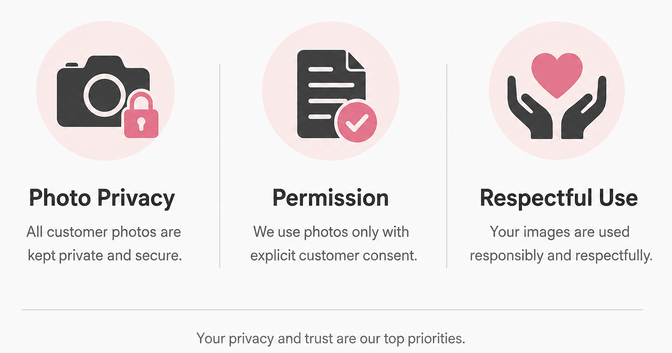
Guaranteed photo protection, strict permission controls, and respectful handling.
Can Your Photos or Replica Be Shared Publicly?
Permission to manufacture a private replica should not automatically be treated as permission to publish the customer's photographs or finished figure.
Customers should ask whether their project may appear on a website, social media account, product page, advertising campaign, portfolio, or case study. If the project is intended to remain private, that expectation should be communicated clearly before production.
This distinction is especially important for a lifelike silicone replica of a person, because the reference material may identify a real individual or reveal personal family information.
Do You Need Permission to Recreate Someone?
There is no single worldwide rule that applies to every project. Copyright in a photograph, rights relating to a person's likeness, privacy, publicity rights, estate rights, and commercial use can involve different laws depending on the country and intended use.
Owning a printed photograph does not necessarily mean that you own all rights associated with that image. Copyright, likeness, privacy, and commercial-use rights may be separate issues depending on the project and jurisdiction.
Private memorial use, commercial promotion, celebrity replicas, and public exhibitions can therefore raise different questions. When permission or rights are uncertain, especially for commercial or public use, appropriate legal guidance should be obtained before production.
The goal should be a respectful physical representation made with clear expectations about privacy, authorization, and intended use.

Recent Posts


Product Categories