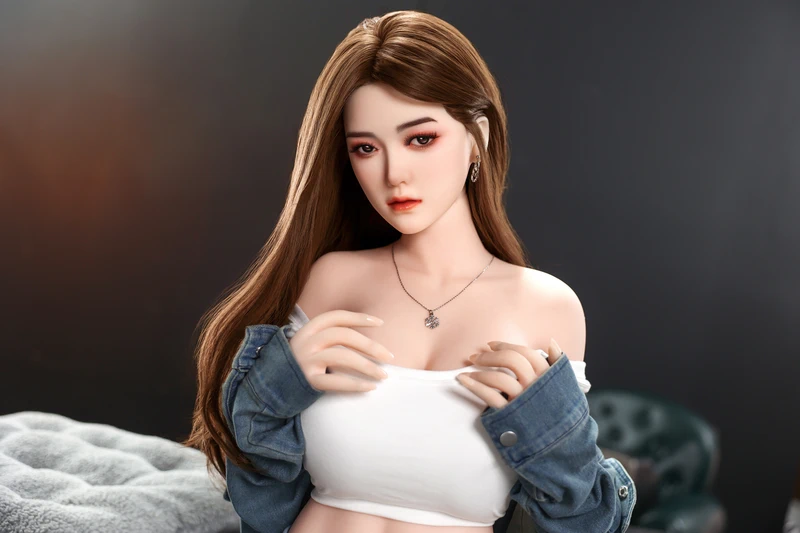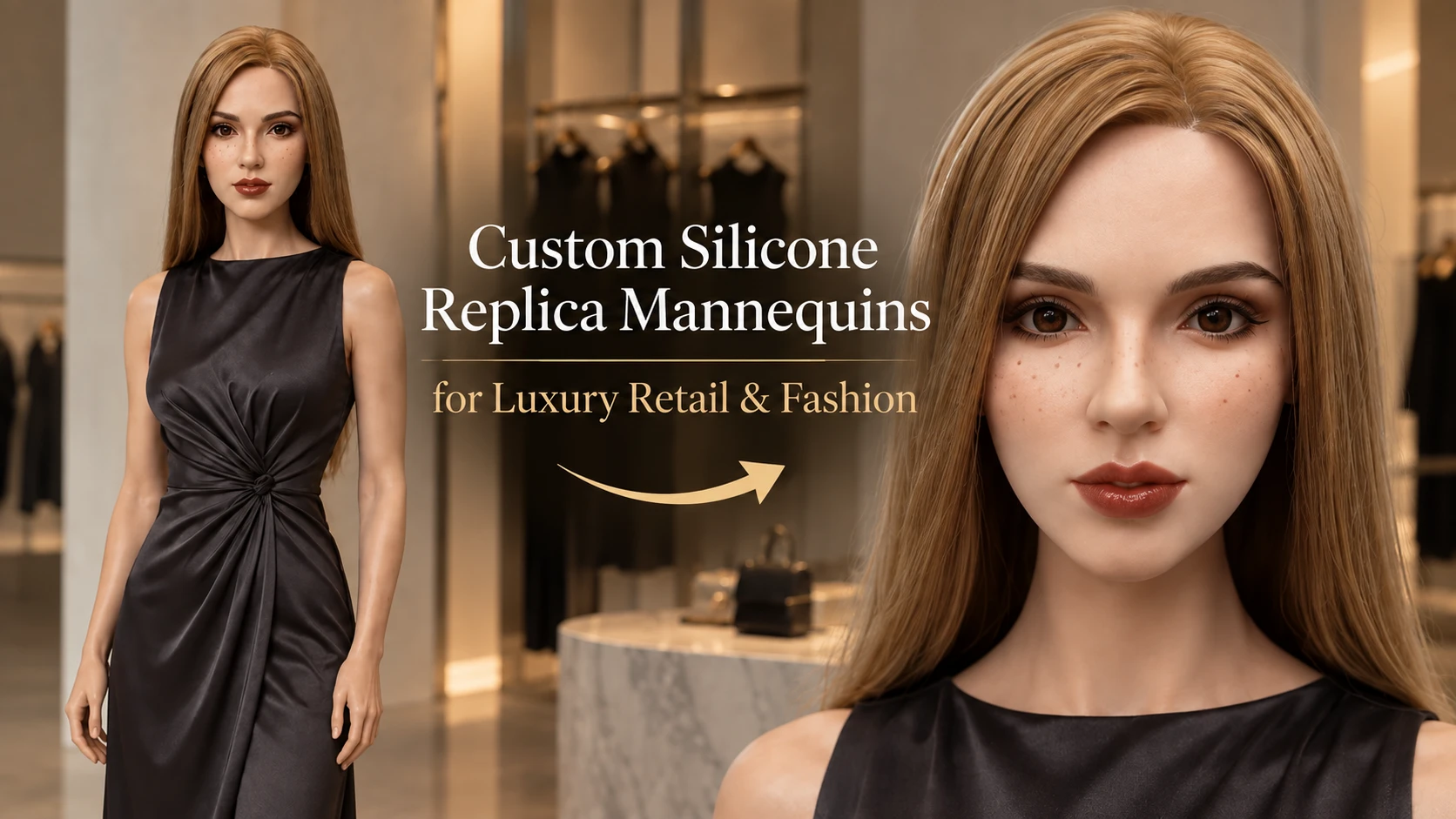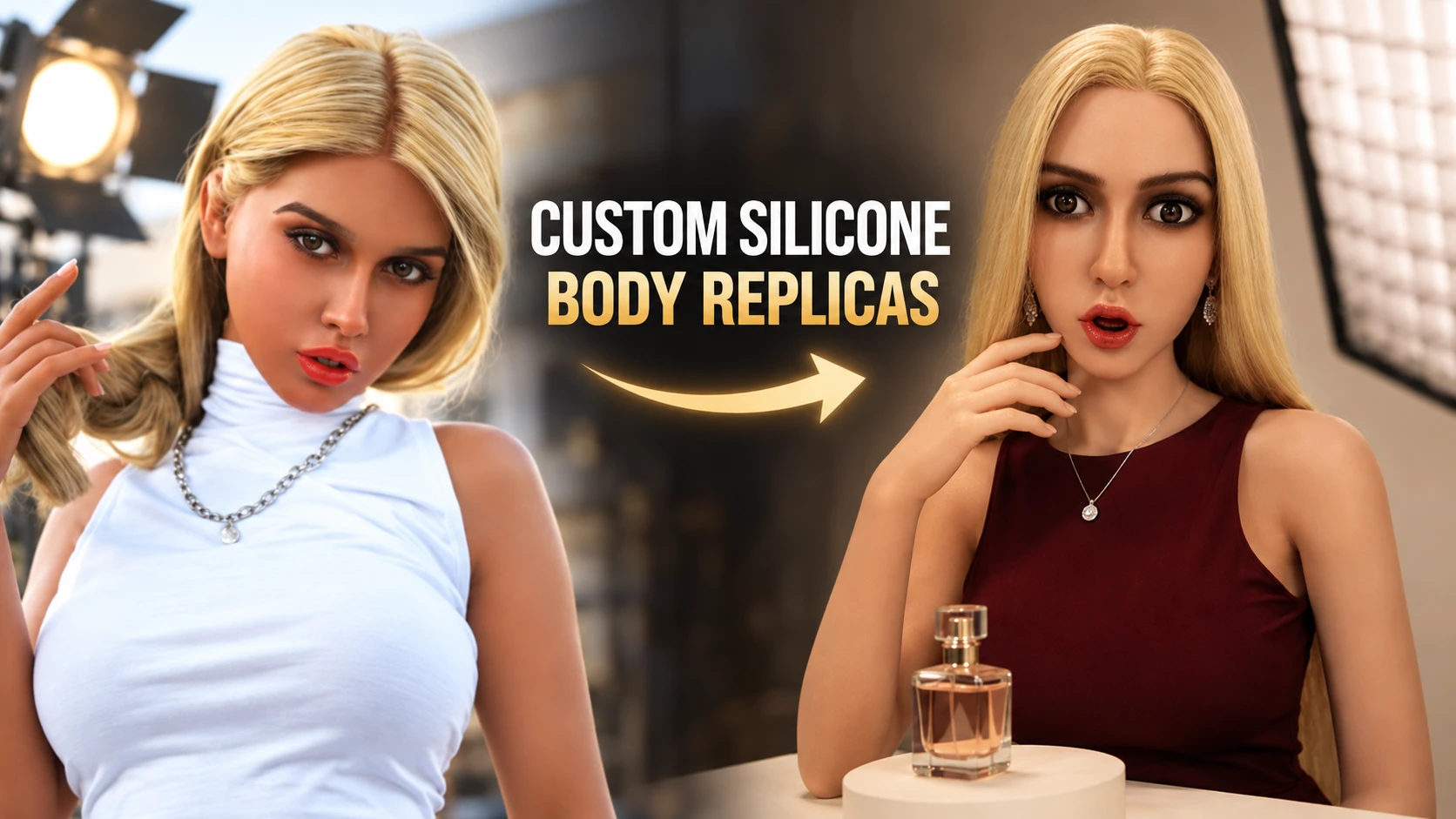
できますか オリジナルのキャラクターのクローンをシリコン人形に作成します 現在アニメ作品としてのみ存在する場合, ファンタジーのイラスト, AIが生成した画像, または3Dモデル? Xylover's カスタムシリコンクローン人形 サービスは、実際の物理的なシリコン キャラクターを開発するための出発点として、これらのタイプのキャラクター リファレンスを使用できます。.
あなたのキャラクターは大きな目をしたアニメの OC かもしれません, 尖った耳を持つエルフ, 異常な肌の色を持つ外国人, ゲームやVRoidのキャラクター, または等身大のコスプレ風のデザイン. 重要な問題は、単に画像をコピーできるかどうかではありません, しかし あなたのキャラクターをすぐに認識できる機能はどれですか そしてそれらの特徴をデジタル設計から三次元の物理的形状にどのように変換できるか.
このガイドでは、どのような種類のキャラクターを再現できるかを検討します。, どの参照画像が最も役立つか, 様式化された 2D または 3D プロポーションがフルサイズになるとどうなるか, キャラクターの類似性にとってどの詳細が最も重要か. 3D モデリングとシリコン製造の仕組みについても学びます, 何「1:1「本当に意味するのは、, どのアニメまたはファンタジー作品に物理的な適応が必要か, キャラクターを現実世界に持ち込む前に何を準備する必要がありますか.
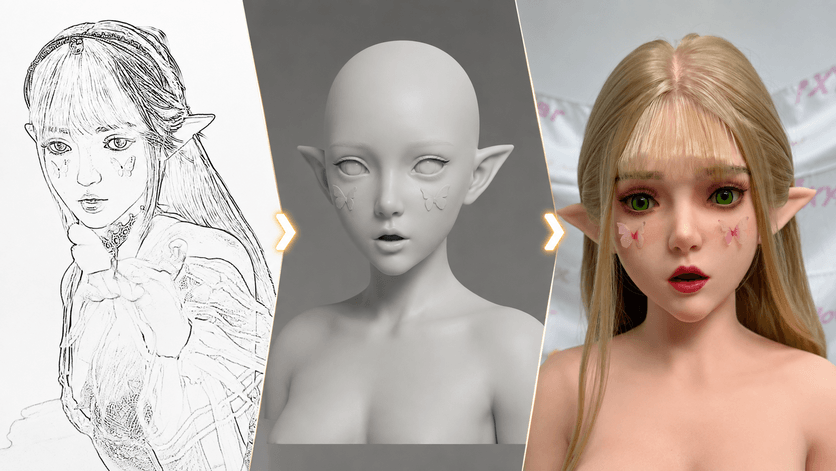
キャラクターデザインから物理的なシリコンクローン人形まで.
あなたのオリジナルキャラクターを本物のシリコンドールに変えることはできますか??
多くのキャラクタークリエイターやファンのために, 出発点は物理的な製品ではありません. アニメ風のイラストかもしれません, オリジナルのファンタジーキャラクター, AIが生成したポートレート, ゲームのアバター, またはこれまで画面上にしか存在しなかった詳細な 3D モデル.
多くの場合, これらの材料は、物理的なシリコーンのキャラクターを開発するための視覚的な基盤を提供できます。. 重要な問題は、キャラクターが特定のソフトウェアやアート スタイルで作成されたかどうかではありません, しかし、入手可能な参考資料がそのキャラクターの特徴を明確に伝えているかどうか.
単純な人間風のキャラクターは顔のプロポーションに大きく依存する可能性があります, 髪型, 体型, 肌の色と目の色. ファンタジーやアニメのキャラクターは、代わりに大きな目で認識される場合があります, とがった耳, 珍しい肌の色, 特徴的な模様や誇張されたプロポーション. 物理的な生産を考慮する前に, これらの特徴を識別し、3 次元デザインとして解釈する必要があります。.
出発点として使用できるもの?
開始する前に、必ずしも完成したプロ仕様の 3D モデルが必要というわけではありません。. キャラクター プロジェクトは、いくつかの異なるタイプのビジュアル素材から開始される場合があります。, コンセプトアートも含めて, アニメやマンガ風のイラスト, AIが生成したキャラクター画像, キャラクターシート, デジタル絵画, スケッチ, Blender または ZBrush モデル, または他の既存の 3D キャラクター ファイル.
正面を示す完全なキャラクターシート, 側面図と背面図は、後で必要となる視覚的な解釈の量を減らすため、特に便利です。. しかし, 鮮明な画像が 1 枚でもあれば、初期評価には十分な場合があります. 横顔などの情報が欠落している, 後ろからの髪型, 正確な体のプロポーションや衣服で隠された詳細は、追加の参考資料によって明確になります。.
この段階では, 目標は単に明確な視覚的方向性を確立することです. 参照画像や準備するものに関する詳細な質問については、このガイドの後半で説明します。.
「キャラクターに命を吹き込む」とは実際何を意味するのか?
キャラクターをシリコン人形に変えることは、2次元の画像を直接3次元に印刷することを意味するわけではありません. アートワークで説得力があるように見えるキャラクターには、やはり顔のプロファイルが必要です, ヘッドの深さ, フルサイズのオブジェクトになったときの身体のプロポーションと現実世界の構造.
だからこそ、オリジナルキャラクターのプロジェクトは、既存の顔や体のデザインを選択するだけではなく、キャラクターそのものから始まります。. キャラクターの認識可能なビジュアルアイデンティティは、デザインが物理的な生産に移行する前に、3D モデリングを通じて解釈されます。.
例えば, 非常に大きな目のアニメ OC は、横から見たときに顔が同じキャラクターのように見えるように、注意深い 3 次元解釈が必要になる場合があります。. エルフは耳の形と角度に大きく依存する可能性があります, 一方、エイリアンのキャラクターは肌の色によってより定義されるかもしれません, 目や異常な顔の構造.
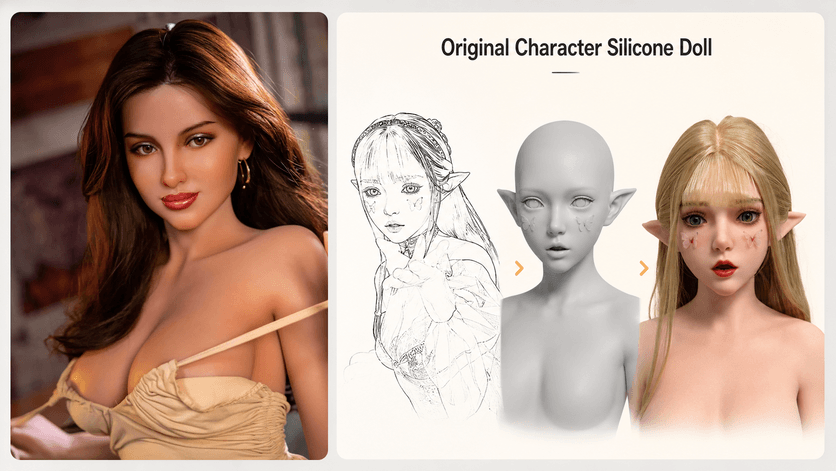
既存のデザインとカスタムキャラクター作成の比較.
通常、プロジェクトが可能かどうかを判断するもの?
すべてのデジタル機能が物理的な形式に変換されたときに同じように動作するわけではありません. キャラクターの実現可能性は通常、いくつかの要素が連携して決まります。: 参考文献の品質と一貫性, キャラクターの複雑さ, その比率, the structure of unusual features and the level of visual similarity expected from the finished result.
Some details are mainly visual challenges. An unusual skin tone, makeup pattern or eye color may primarily require careful color and finishing work. Other features can create physical challenges. Extremely thin structures, very long projecting details or exaggerated proportions may need to be adjusted so they can exist reliably as part of a real object.
This does not mean a stylized character has to become generic or lose the features that make it recognizable. The more useful approach is to identify the character's identity-defining features first, then determine how closely each one can be preserved in a physical silicone version.
この質問は、キャラクターがアニメの影響を受けた場合に特に興味深いものになります。, ファンタジーベースの, 人間ではないもの、または 3D ゲーム モデルとしてすでに存在しているもの - これについては次の章で検討します.
どのようなキャラクターに命を吹き込みたいですか?
すべてのオリジナル キャラクターが物理的なオブジェクトになるときに同じ課題を抱えているわけではありません. アニメOC, エルフ, 宇宙人, ゲームのアバターやコスプレ風のキャラクターはすべてデジタル デザインから始まる可能性があります, しかし、それぞれを認識できるようにする特徴は大きく異なる場合があります.
一部のキャラクターについては, 顔と髪型がアイデンティティのほとんどを決定します. 他人のために, 珍しい肌の色, とがった耳, 人間以外の目, 誇張されたプロポーションや独特の全体的なシルエットの方が重要である場合があります. 再作成したいキャラクターのタイプを理解すると、デザインを 3 次元に変換するときにどの細部に最も注意を払う必要があるかを判断するのに役立ちます.
アニメと2Dオリジナルキャラクター
を検討している人にとって、 アニメスタイルのシリコンキャラクター, 最初の課題の 1 つは、アニメや 2D のデザインは、イラストでは非常にうまく機能する視覚的なルールに従っていることが多いですが、必ずしも現実的な人間の解剖学に従っているとは限らないことです。. 大きな目, 小さな鼻, 狭い顎, 長い脚, 細いウエストと様式化された頭身比はすべて、アニメ キャラクターの外観に貢献します。.
アニメキャラクターがシリコンフィギュアになったら, 最も重要な決定の 1 つは、様式化されたプロポーションをどの程度強く維持するかです。.
一部のクリエイターは、完成したキャラクターが目に見えてアニメからインスピレーションを得たままであることを望むかもしれません, keeping larger eyes, a narrower jaw and a more stylized silhouette. Others may prefer a more realistic interpretation that looks like a human version of the same character while preserving recognizable elements such as the hairstyle, 目の色, facial expression and body proportions.
There is no single correct approach. What matters is deciding which interpretation best represents the character before detailed 3D modeling begins.
If the character comes from manga panels, character art or a single illustration, additional views can also become important because the original artwork may not show how the nose, jaw, hairstyle or head shape should appear from the side.
ファンタジー, Elf and Alien Characters
Fantasy characters are often defined by features that immediately separate them from ordinary human designs. a custom elf silicone doll 尖った耳に大きく依存する可能性がある, 肌の色が薄い、または異常である, 特定の目の色とエレガントな顔の形. エイリアンやその他の人間以外のキャラクターは、異常な肌の色に強く依存する可能性があります, 目の形, 顔の模様や誇張された解剖学.
これらの機能をすべて同じように扱うべきではありません.
空想的な肌の色や顔の模様は主に視覚的なカスタマイズの問題です, 非常に長く突き出た耳ながら, ホーンやその他の薄い構造も物理的な設計上の問題を引き起こします. 一部の珍しいキャラクター機能はシリコーンのデザイン内で直接機能する可能性があります, 調整が必要な場合もありますが、, 個別のコンポーネントまたは別の実際的な解釈.
したがって、有益な質問は単に次のようなものではありません。:
「細部までコピーできるだろうか?」
それは:
「どのようなディテールがこのキャラクターを紛れもなくそのキャラクターそのものにしているのか?」
エルフのために, the pointed ears and facial proportions may be essential. For a fantasy warrior, the skin tone, markings and silhouette may matter more. For an alien character, the eyes or facial geometry may be the strongest visual cue.
Identifying these identity-defining features early makes it easier to preserve the character even when a secondary detail needs to be adapted for physical production.

アニメ, ファンタジー, 3D game and life-size cosplay character examples.
Game, VRoid, Blender and 3D Characters
If your character already exists as a Blender, ZBrush, VRoid or other 3D model, you already have something particularly useful: a three-dimensional description of the character rather than only a front-facing illustration.
This can reduce uncertainty about facial depth, head shape, body proportions and features that would otherwise need to be interpreted from 2D artwork.
しかし, a model created for a game, animation or digital rendering should not automatically be treated as ready for silicone production. It may still need to be reviewed for physical dimensions, surface geometry, 割合, mold feasibility, internal structure and other manufacturing requirements.
In other words, the question is not simply:
“Can I send my 3D file?」
はい, an existing model can be a valuable starting reference.
The more useful question is:
“Which parts of my digital character can move directly toward physical production, and which parts need to be adapted first?」
例えば, features that work visually in a game environment may depend on extremely thin geometry, exaggerated shapes or structures that do not need to support themselves in the real world. Those areas should be reviewed before the physical design is approved.
This is why an existing 3D model can shorten the interpretation stage without completely replacing the production evaluation.
Cosplay and Life-Size Character Dolls
Some projects are less about preserving exaggerated animation geometry and more about answering another interesting question:
What would this character look like if they existed at human scale?
のために cosplay character dolls and other life-size character projects, the overall silhouette, 顔, 髪型, 肌のトーン, eye appearance and recognizable character styling often become especially important.
The important distinction is that life-size does not automatically mean every digital proportion should be copied without interpretation.
A character may be produced at a human-scale height while still preserving recognizable stylized characteristics. Alternatively, the creator may prefer a more realistic human interpretation of the same character.
例えば, a highly stylized character could keep its distinctive hairstyle, eye color and facial identity while using more practical human-scale body proportions. Another project may deliberately preserve a stronger fantasy or anime silhouette if those proportions are central to the character.
This choice should be made according to how the creator imagines the character existing in the physical world, rather than assuming that every character must follow the same realism level.
A useful way to think about all four character types is this: the goal is not to force every anime, ファンタジー, game or cosplay character into the same physical template. The goal is to understand which visual traits define that specific character, which traits can exist directly in physical form, and which ones may need thoughtful adaptation.
The next step is therefore practical: what references should you provide so those defining features can actually be understood and recreated?
What References Do You Need to Recreate Your Character?
Good reference material does more than show what a character looks like. It helps define the details that cannot be guessed reliably once the character is converted from a flat image into a three-dimensional physical form.
You do not need to prepare a professional manufacturing file before contacting a customization team. 目標は単に、キャラクターの顔を説明するのに十分な一貫した視覚情報を提供することです。, 体, 髪型, 色, プロポーションと特徴的な特徴.
最適な参考資料は、すでに持っているものによって異なります.
ベストケース - 完全なキャラクターシート
キャラクターがすでにキャラクターシートまたはターンアラウンドを持っている場合, 通常、これが最も明確な出発点です.
便利なキャラクターシートには、フロントが含まれている場合があります。, 側, 4分の3と背面図. それぞれの角度から異なる質問に答えます. 正面から見ると顔の幅がわかります, 目の位置と体全体のプロポーション, 側面図は鼻の突起を定義するのに役立ちます, あごの位置, 額の形と頭の深さ. 後ろ姿はヘアスタイルのボリュームを理解するのに特に役立ちます, 正面からは見えない衣服の詳細と機能.
目などの詳細にクローズアップ参照を追加できます。, 補う, 顔の模様, 耳とか髪型とか.
参考文献は美しくフォーマットされている必要はありません. 一貫性はプレゼンテーションよりも重要です. 異なる画像に同じキャラクターの異なるバージョンが表示されている場合, どちらを主要デザインとして扱うべきかを明確に識別する.
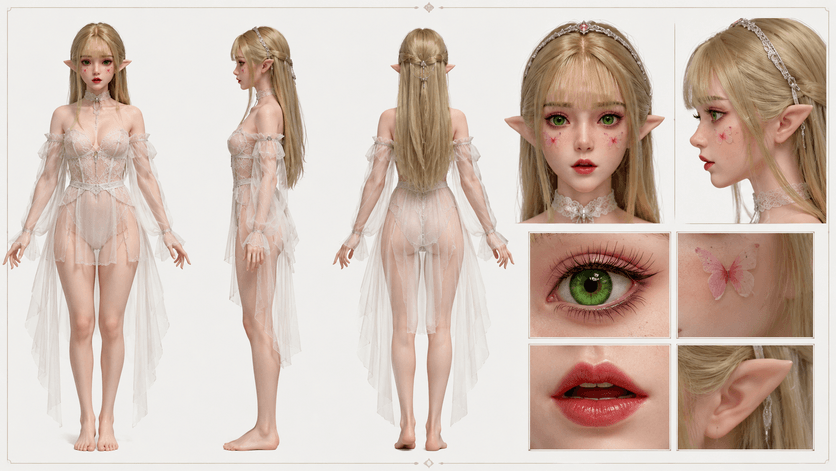
複数のビューが元のキャラクターを定義するのに役立ちます.
画像が 1 つしかない場合はどうすればよいですか?
キャラクター画像が 1 つだけであっても、必ずしもプロジェクトの評価が妨げられるわけではありません. それは単に、可視角度の外にあるものはすべて明確にするか解釈する必要があることを意味します。.
例えば, 正面を向いたイラストでは目の形がはっきりとわかる場合があります, 前髪と顔の模様, でも横から見ると鼻が見えないかもしれない, 髪型の後ろ, 正確な体のシルエットや衣服の後ろに隠れた詳細.
You can reduce this uncertainty by providing supplementary references that explain individual features. These references do not always have to show the same character.
例えば, you could send:
- your main character image;
- a separate hairstyle reference;
- an eye-color reference;
- a body-shape reference;
- a makeup or skin-tone reference.
If one image should be treated as the definitive face reference, state that clearly. This is particularly useful when AI-generated images or multiple illustrations show small differences between the character's face or proportions.
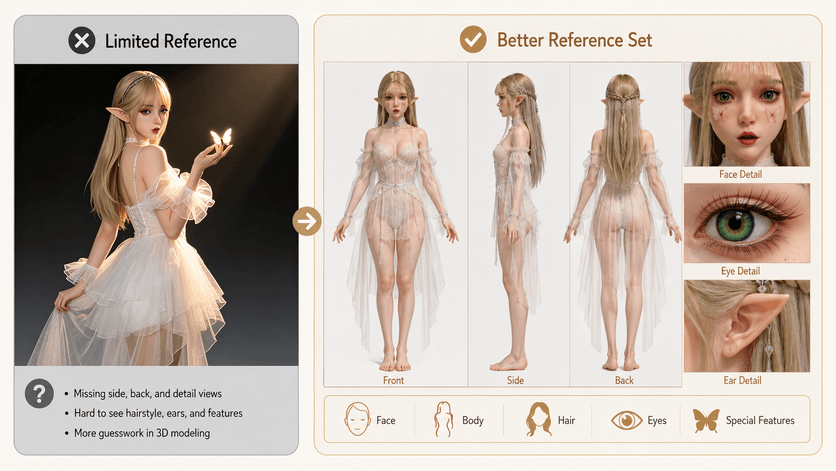
Better references support more accurate character recreation.
Useful Detail References
Once the main character appearance is clear, detail references help remove smaller ambiguities.
のために 顔, clear front and profile images are useful for understanding facial structure. のために 髪, show the color, 長さ, fringe, parting and, もし可能なら, 髪型の後ろ. のために 目, provide the intended color and general visual appearance.
Body references can help clarify height, overall silhouette and proportions when these are not obvious from the main artwork.
Fantasy or anime characters may also require separate references for pointed ears, 珍しい肌の色, 顔の模様, 入れ墨, horns or other recognizable features.
The purpose is not to provide hundreds of images. A small number of clear references that answer specific design questions is usually more useful than a large folder of inconsistent images.
What If You Already Have a 3D Model?
If your character already exists in Blender, ZBrush, VRoid, Maya or another 3D format, provide the available model file if possible, together with several clear renders.
フロント, side and back renders help the team quickly understand the intended proportions and geometry even before the original file is reviewed.
It is also useful to explain the intended physical size or approximate height of the finished character. A digital model has no automatically defined real-world scale, so physical dimensions still need to be discussed.
An existing 3D model can reduce the amount of interpretation required, but it should still be treated as a design reference until its geometry, proportions and manufacturability have been evaluated.
What Makes the Finished Doll Actually Look Like Your Character?
When people judge whether a physical character “looks right,” they rarely compare every detail one by one. Recognition usually happens much faster. 顔の形, 髪型, 目, body silhouette and a few distinctive features can make a character immediately recognizable—or make the finished result feel like a different person.
This is why not every detail should receive the same priority during a custom character project. A slightly different accessory color may have little effect on recognition, while changing the jawline, eye shape or hairstyle can completely change the character’s identity.
A useful way to think about the design is to separate features into three levels: must match, strongly preferred, and flexible. The features that define the character should receive the greatest attention during 3D modeling and design review.
Face Shape and Facial Proportions
For most human, anime-inspired and human-like fantasy characters, the face is one of the strongest sources of identity.
Small differences can matter. Eye spacing, face width, cheek shape, 顎のライン, chin length, nose projection and lip position all affect how the face is perceived as a whole.
例えば, a character may be known for a narrow lower face and slightly pointed chin. If the physical version has a wider jaw, the eyes and hairstyle may still be similar, but the character can immediately feel different.
The same is true for the side profile. A front-facing image does not fully explain the depth of the forehead, 鼻, lips or chin, which is why profile references are valuable when facial similarity is important.
The goal is not to measure one facial feature in isolation. It is to preserve the relationship between the features that creates the recognizable face.
Hairstyle and Character Silhouette
Hair is sometimes treated as a finishing detail, but for many anime, game and fantasy characters it is one of the strongest visual identifiers.
Think about how quickly a character can be recognized from a silhouette alone. Long silver hair, twin tails, a sharply shaped fringe, large side curls or an unusual layered hairstyle may define the character even before the face is visible.
Important hairstyle references should therefore show more than color. 長さ, bangs, parting, volume, curls, side pieces and the shape of the hair from behind can all affect the final appearance.
A hairstyle does not need to reproduce every illustrated strand. What matters more is preserving the overall shape that people associate with the character.
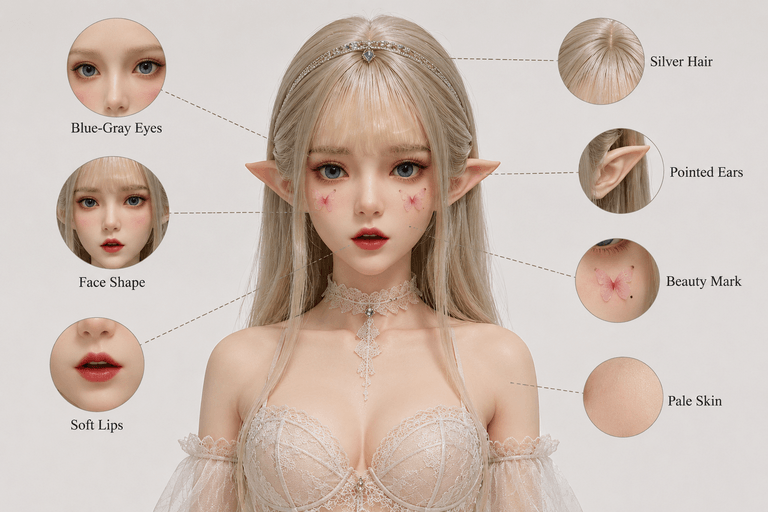
Key visual traits that define the character.
目, Skin Tone and Makeup
Eyes can carry a disproportionate amount of character identity, particularly in anime and fantasy designs.
The important details may include eye shape, サイズ, spacing, iris color and the overall expression created by the eyes. A character with pale blue-gray eyes may feel very different if the finished version uses a darker saturated blue, even when the rest of the face remains similar.
Skin tone also affects the character’s overall visual language. For a realistic human-style character, subtle differences between pale, 暖かい, tan or cool skin tones can matter. For fantasy characters, skin color may be even more distinctive, such as very pale, 青, グレー, purple or another intentionally non-human tone.
補う, そばかす, beauty marks, facial markings and similar details can then reinforce the character rather than define the entire design by themselves.
Whenever possible, these colors should be shown with visual references rather than described only with words such as “light,” “dark,” or “warm.”
Body Proportions and Overall Silhouette
Character recognition does not stop at the face. When an original design becomes a full-size シリコン人形, the body silhouette can be just as important as the facial features.
身長, 肩幅, 胴の長さ, ウエストとヒップの比率, leg length and the overall head-to-body relationship can strongly influence whether the finished figure feels like the same character.
A tall, narrow fantasy character may lose part of its identity if converted into a shorter or much fuller silhouette. Likewise, an anime character designed around long legs and a compact torso may need those proportions considered even if some adaptation is required later.
The most useful question is not whether every measurement can be copied exactly. それは:
Which proportions make the character visually distinctive?
If the body shape is central to the design, it should be treated as one of the priority features rather than selected only after the face is completed.
Signature Character Features
Some characters are recognizable because of one or two details that almost function like a visual signature.
エルフのために, this could be pointed ears. For a fantasy character, it might be unusual eye colors, 角, facial markings or a distinctive skin tone. For an anime or game character, it could be a beauty mark, tattoo, specific makeup pattern or recognizable hair accessory.
These features are especially important because removing them can make an otherwise accurate character feel generic.
Before 3D modeling is approved, it is therefore useful to ask one simple question:
If someone familiar with the character saw only the face, silhouette and three most distinctive features, would they still know who the character is?
If the answer is yes, the project has identified the right visual priorities.
The next challenge is different: even when those priorities are clear, a design that looks perfect in 2D or on a screen can change when it becomes a full-size three-dimensional object. That is what the next chapter examines.
What Happens When a 2D or 3D Character Becomes Full-Size?
A character that looks perfectly balanced in an illustration or digital render may feel surprisingly different when viewed as a full-size physical figure. This does not necessarily mean the design has been reproduced incorrectly. It often happens because a digital character is created for a screen, while a physical character must exist with real depth, real dimensions and real material behavior.
Features that appear elegant from one camera angle can become much more pronounced when viewed from the side. Extremely stylized proportions may also create a different visual impression once the character is scaled to human size.
Understanding these changes before production helps set more realistic expectations and makes it easier to decide which parts of the original design should be preserved exactly and which may need careful adaptation.
Why Anime Proportions Can Look Different in Real Life
Anime and stylized characters often use proportions that are intentionally different from realistic human anatomy.
大きな目, tiny noses, 狭い顎, 小さな腰, long legs and unusual head-to-body ratios may look completely natural in a drawing because the artist controls the viewing angle, perspective and visual style.
When those same proportions are translated into a three-dimensional physical character, the viewer can move around the figure and see it from angles that may never have existed in the original artwork.
例えば, very large eyes may look attractive from the front but appear much more dominant when the face is viewed from three-quarter or side angles. A very narrow jaw may also create a sharper profile than expected when combined with realistic head depth.
This does not mean an anime character must automatically be made more realistic. It means the creator should decide how much of the original stylization should remain when the design becomes physical.
Some projects may preserve stronger anime geometry, while others may use a more human-like interpretation that still keeps the character’s recognizable eyes, 髪型, face shape and overall silhouette.
Why a Character Can Look Good From the Front but Strange From the Side
A single front-facing image does not explain the full three-dimensional structure of a face.
It can show eye spacing, 口幅, facial outline and hairstyle placement, but it cannot fully define nose projection, forehead curvature, chin depth, jaw angle or the shape of the back of the head.
This is one reason 3D modeling becomes especially important when the original character was designed mainly from a front view.
A character can look extremely accurate when viewed directly from the front but still feel wrong from the side if those hidden dimensions were interpreted incorrectly.
Side and three-quarter views allow these proportions to be checked before the design moves into physical production.

一部のファンタジー機能に構造変更が必要な理由
ファンタジーキャラクターは新たな課題を引き起こす可能性がある: 一部の機能は、視覚的に印象的に見せるためだけに設計されています, 実際の物理構造のように動作しないようにする.
長く尖った耳, 細い角, 繊細な指, フローティングアクセサリー, 極端なボディエクステンションや非常に薄い装飾要素は、自重を支える必要がないため、コンセプトアートでは完璧に機能する可能性があります。.
身体的性格が違う.
突出したフィーチャまたは非常に薄いフィーチャには追加のサポートが必要な場合があります, 変更された厚さ, 完成したオブジェクトの一部として確実に存在できるように、個別のコンポーネントまたはわずかに簡素化された構造.
同じ問題は、複雑なファンタジーのヘアスタイルやアクセサリーにも当てはまります。. A shape that appears to “float” around the character in a digital image may need a practical physical solution once it becomes full-size.
このため, fantasy features should be reviewed individually rather than assuming that every non-human detail can be copied in exactly the same way.
The goal is to preserve the visual idea of the feature without allowing a secondary structural problem to compromise the finished character.
Why Lighting Changes How the Character Looks
Even after the physical design is complete, the same character can look different depending on how it is viewed and photographed.
A 2D illustration may use soft painted shadows and idealized highlights. A 3D render may use controlled studio lighting. Factory photographs may be taken under bright overhead lights, 完成したキャラクターは、後で暖かい室内光または自然光の下で見ることができます。.
これらの照明の変化は肌の色合いに影響を与える可能性があります, 顔の深さ, 目の色と表面の質感が認識される.
例えば, 淡い幻想的な肌の色は、工場の白い照明の下では冷たく見えるかもしれませんが、家庭用の照明の下ではわずかに暖かく見えます。. 鼻の周りに影ができる, 顎や目によって顔のプロポーションが強く見えたり柔らかく見えたりすることもあります.
このため、物理的なシリコン キャラクターとデジタル レンダリングを直接比較する際には、照明と表示条件を考慮する必要があります。.
最も有用な期待は、キャラクターがどの写真でも同じに見えるということではない, レンダリングと照明条件. それは、 基礎となるデザイン, プロポーションとアイデンティティを定義する特徴は、さまざまな観察条件にわたって一貫したままです。.
Before judging similarity, it is therefore better to compare the character from several angles and under reasonably consistent lighting rather than relying on a single photograph.
Once these 2D-to-3D differences are understood, the next question becomes much easier to follow: how does the approved character design actually move from artwork and 3D modeling into silicone production?
How Does Your Character Go From Artwork to Silicone?
Once the character references, proportions and priority features are clear, the project can move from visual planning into production. The process is not a single jump from artwork to silicone. It passes through several checkpoints, beginning with 3D modeling and ending with finishing, assembly and inspection.
The most important principle is simple: major visual decisions should be resolved before mold making begins. Changes to the face, proportions or structural features are far easier to make while the character still exists as a digital model than after physical production has started.
ステップ 1 — Character Reference Review and 3D Modeling
The approved references become the foundation for a custom three-dimensional model.
For the face, the 3D artist uses the available front, side and three-quarter views to establish facial width, 目の位置, 鼻の突起, chin shape, forehead depth and other important proportions. For stylized characters, the model also needs to preserve the visual features identified earlier as essential to the character.
The first 3D version should be treated as a working model rather than an automatic final result. Its purpose is to turn the character from a collection of images into something that can be viewed and evaluated from multiple angles.
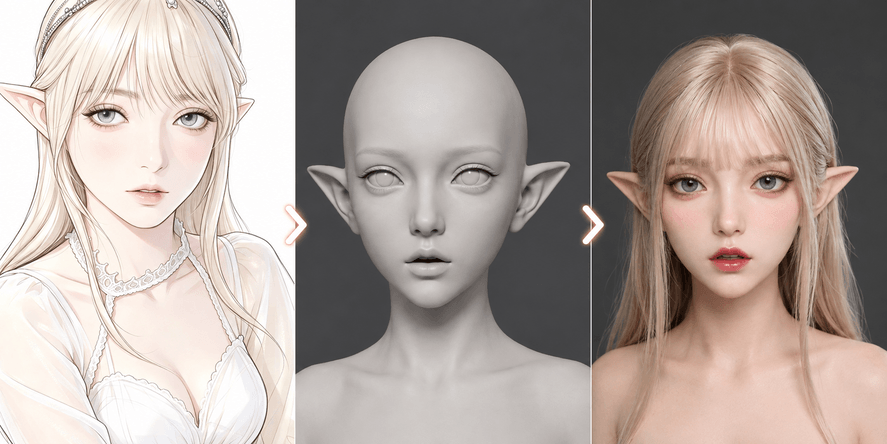
Original character recreated as a detailed 3D model.
ステップ 2 — Review and Refine the 3D Model
Before physical production begins, the 3D model should be compared with the approved character references.
This is the stage to check whether the face still feels like the intended character from the front, side and three-quarter views. Differences in eye position, jaw width, facial depth or other defining features can be identified and adjusted here.
Stylized characters deserve particular attention. A combination that looks natural in a 2D illustration—such as large eyes and a very narrow jaw—may create a different impression once the face has real depth.
If a correction is needed, this is the right time to make it. Once the design moves into physical mold preparation, major structural changes become much more difficult.
ステップ 3 — Approve the Design and Prepare the Mold
After the digital design is approved, the project begins moving out of the virtual environment.
The approved 3D data is used to prepare the physical form required for mold production. At this point, dimensions and surface geometry need to follow the confirmed design because the mold establishes the basic geometry that will later be reproduced in silicone.
For the customer, this is an important boundary in the project:
before mold preparation, the character is still primarily a design; after this point, the approved design begins becoming a manufactured object.
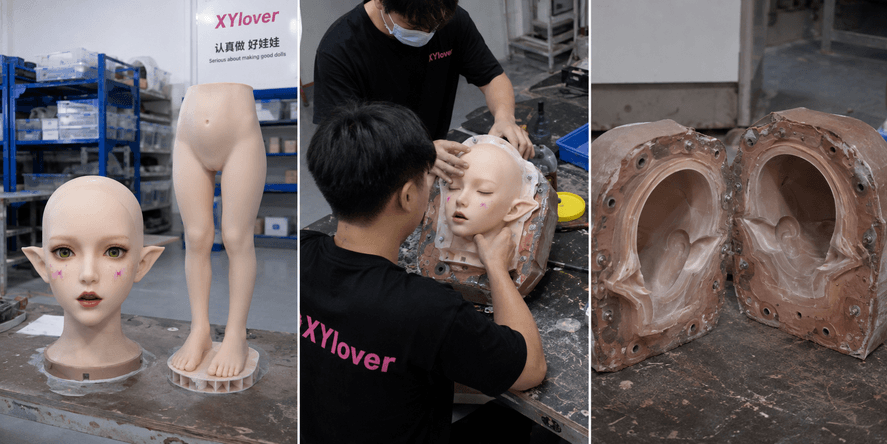
Approved character model enters physical production.
ステップ 4 — Produce the Silicone Body and Components
Once the molds are ready, the character can enter silicone production.
The silicone is processed with the prepared mold to form the required body or components. Depending on the product design, an internal structure may also be incorporated to provide the intended support and positioning capability.
This is the stage where digital proportions become real physical dimensions. 身長, body shape and facial geometry are no longer only numbers or shapes on a screen.
After curing and demolding, シリコーンコンポーネントは、仕上げや組み立てに移る前に検査できます。.
一般的な 2 つの人形素材の感触の違いを知りたい場合, 表面特性, そして毎日の使用, 私たちのを参照してください TPE対. シリコーンの比較.
ステップ 5 — 肌の色とキャラクターの詳細を追加
新たに作成されたシリコンフォームはまだ完成したキャラクターのようには見えません.
着色と表面仕上げにより、意図した肌の色合いと目に見えるキャラクターの詳細が確立されます。. デザインによっては, これらの詳細にはメイクアップが含まれる場合があります, 唇の色, 眉毛, そばかす, beauty marks, 静脈または空想特有の模様.
この段階は、アイデンティティが色に大きく依存するキャラクターにとって特に重要です. 淡い幻想的な肌, 珍しいメイクや特徴的な顔の模様は、認識に大きく貢献する可能性があります.
目的は単に単色を適用することではありません. The finishing stage helps bring the physical silicone surface closer to the approved visual design.
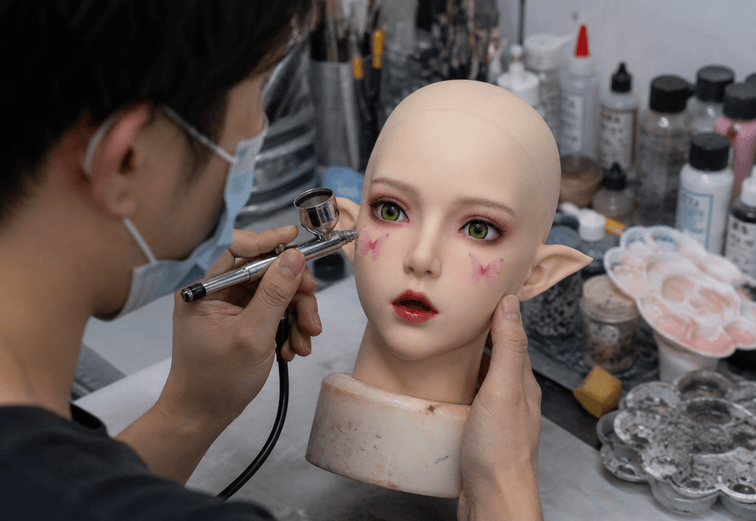
Character details recreated through hand coloring.
ステップ 6 — Add Hair, Eyes and Other Recognizable Features
Hair and eyes can substantially change how the finished character is perceived.
The hairstyle should follow the confirmed direction for color, 長さ, fringe, parting, curls and overall silhouette.
Eye color and appearance are also matched to the confirmed design, together with any remaining character-specific details.
For characters with highly recognizable hair or eyes, these finishing elements can be almost as important to visual identity as the underlying 3D facial model.
ステップ 7 — Assembly and Final Inspection
After the silicone components and visible details are completed, the character moves into final assembly and inspection.
The finished appearance should be compared with the approved design and reference materials. The production team can review the coloring, 髪, 目, visible surface details and the assembly of the major components.
For an original character project, the final result should not be judged only as a generic production doll. The more useful comparison is against the character references and the approved 3D direction established earlier in the project.
At this point, the process has moved through:
Character References → 3D Model → Review → Approval → Mold → Silicone Production → Finishing → Assembly
The next question is the one most customers care about after understanding this process: how close can the finished silicone doll actually look to the original character?
How Close Can the Finished Silicone Doll Look to Your Original Character?
The finished silicone character can often preserve many of the visual features that make an original design recognizable, but similarity should not be judged by asking whether every pixel of a digital image has been copied exactly.
A better question is whether the physical character preserves the same visual identity.
That identity may come from the shape of the face, eye appearance, 髪型, 肌のトーン, body silhouette, とがった耳, markings or other signature features. When those high-priority elements remain consistent, the finished character can still feel strongly connected to the original design even if a secondary detail needs to be adapted for physical production.
このため, 最も現実的な目標は 実際の製造上の制約内での高い視覚的類似性, 数学的に正確な再現ではなく.
通常、キャラクターの類似性を向上させるもの?
結果の品質は、制作前に入手可能な情報の品質から始まります.
複数の一貫した参照は特に価値があります. フロント, 側面図と 4 分の 3 の図は、1 枚の画像だけでは理解できない顔の形状を説明するのに役立ちます. すっきりとした髪型, 目, 肌の色と体の参照により、解釈する必要がある詳細の数が減ります.
もう 1 つの重要な要素は、どの機能が最優先に値するかを決定することです.
狭い顎で特徴づけられている場合, 銀髪, 淡いブルーの目と尖った耳, それらの機能は、マイナーなアクセサリーの色や小さな装飾の詳細よりも注目されるべきです.
3D レビュー段階も重要です。デザインが実際に完成する前に、さまざまな角度からキャラクターを比較する機会が得られるからです。. 顔幅の違い, プロフィール, 目の位置や体のプロポーションは、金型の製作を開始した後よりもこの段階ではるかに簡単に修正できます。.
In other words, 類似性は塗装の最終段階だけで生まれるものではありません. それは徐々に構築されます リファレンス → 優先順位 → 3D モデリング → レビュー → 仕上げ.
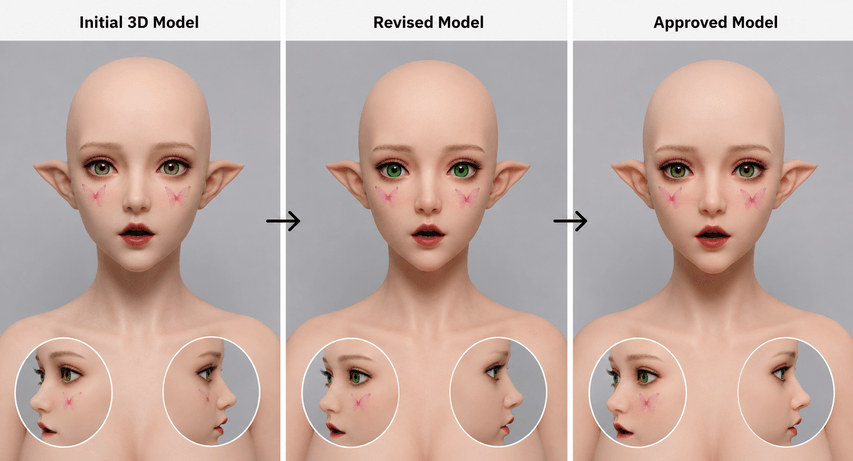
最終承認前にキャラクターを改良する.
正確な複製を妨げるもの?
通常、最大の制限は、デジタル設計が直接的な物理的同等物を持たない機能に依存する場合に現れます。.
イラストや 3D レンダリングでは非常に薄い構造を使用できます, 誇張された解剖学, 支えがなければ浮いているように見える不可能なプロポーションや装飾要素. 物理的なシリコンキャラクターは実際の寸法を考慮する必要があります, 物質的な振る舞い, 金型構造, 内部サポートと組み立て.
これは特に次のことに関連します。:
- 非常に大きなアニメの目と非常に狭い顔の幾何学模様の組み合わせ;
- 異常に細い指や手足;
- 非常に長く突き出たエルフの耳;
- 大きなホーンまたは支持されていない構造物;
- 極端な体のプロポーション;
- 非常に複雑なファンタジーのヘアスタイル;
- 浮いている、または非常に繊細なアクセサリー.
これらの機能の一部は、わずかな調整だけで済む場合があります. 別の物理的解決策が必要な場合もあります, 別個のコンポーネントまたは簡略化された解釈.
これにより、文字認識が自動的に低下することはありません. 重要な違いは、変更された機能がキャラクターのアイデンティティの中心であるか、それとも二次的なデザイン要素にすぎないかです。.
「1」とは何ですか?:1本当に意地悪?
というフレーズ 1:1 外字 誤解されやすい.
この文脈では, 1:1 通常、物理的なスケールまたは意図された等身大の寸法を指します, すべての行がそうであるという約束ではありません, 2D イラストのピクセルと比率が数学的に正確に再現されます。.
例えば, キャラクターは、 165 認識可能な顔を維持しながら、cmの等身大シリコンフィギュア, 髪型, 目の色と体のシルエット. それは必ずしも、アニメの頭身比を誇張したり、すべてのデジタルアクセサリーを調整せずに再現しなければならないという意味ではありません。.
同じ区別が、 1:1 アニメキャラクターシリコンボディ. 物理的な体型は、意図された身長とキャラクターのプロポーションにできるだけ忠実に従うことができます, ただし、元のアートワークが物理的に完全な情報を提供していない場合は、依然として 3 次元の解釈が必要です。.
したがって、モデリング前にターゲットを定義する便利な方法は次のとおりです。:
物理的なスケール + 優先的なビジュアル機能 + 許容可能な適応
「1」を使用するのではなく、:1" 一人で.
例 — オリジナルキャラクター → 3Dモデル → 完成品シリコンキャラクター
カスタムキャラクタープロジェクトを評価する最善の方法は、完成した人形の写真だけを見ることではありません.
いくつかのチェックポイントを介してプロジェクトを追跡する、より有用な比較が行われます。:
オリジナルのリファレンス → 3D 再構築 → 承認されたモデル → 物理的な制作 → 完成したシリコーンキャラクター
最終段階では, 結果を、最初に優先事項として特定された機能と比較します。.
顔は意図した全体的な構造を保持していますか?
ヘアスタイルは認識可能なシルエットを維持していますか?
目の色と肌の色は承認された方向と一致していますか?
重要なファンタジーまたはアニメの特徴は、物理的に適応させた後でも認識可能ですか?
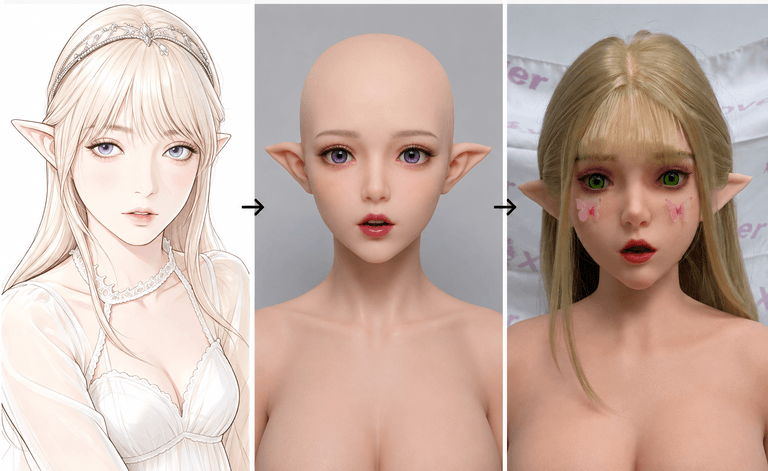
オリジナルデザインからシリコンキャラクターの完成まで.
この比較は、結果が「100% 同一」かどうかを尋ねるよりも有益です。キャラクターの核となるビジュアルアイデンティティが、アートワークから実際の物理的な形状への移行全体を通じて生き残ったかどうかを示します。.
したがって、最終ステップは別の製造上の問題ではありません. 独自のキャラクター参照がカスタム プロジェクトを開始するのに十分明確であるかどうか、また評価をリクエストする前に実際に何を準備する必要があるかを決定します。.